01 · The basics
What are red and near-infrared light?
Red and near-infrared light are parts of the electromagnetic spectrum commonly delivered by LEDs in home devices. Wavelength is measured in nanometers (nm). It identifies the type of light, not how much light reaches a surface.
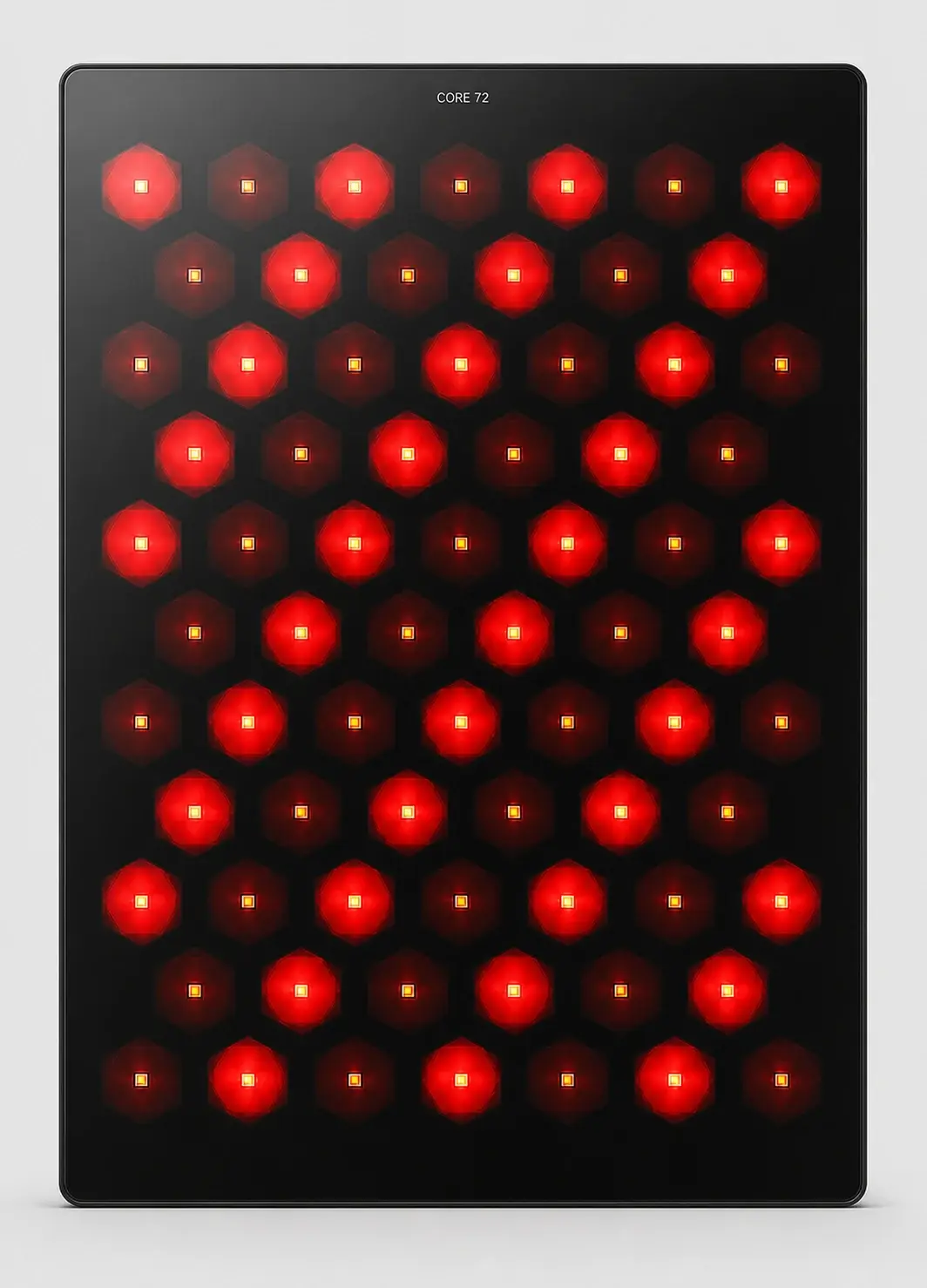
Visible red light wavelength used in the confirmed CORE NEO design.
Near-infrared wavelength used in the confirmed CORE NEO design.
02 · Compare output
Irradiance needs context.
Irradiance is power per area. It changes with distance and position, so a useful specification includes measurement distance, instrument, center value, and coverage map.
| Look for | Why it matters |
|---|---|
| Wavelength report | Confirms spectral peaks and tolerance |
| Irradiance at distance | Makes output comparisons meaningful |
| Coverage map | Shows more than a center-point maximum |
| Measured input power | Separates wall input from LED design load |
03 · Choose your format
Match the device to the routine you can repeat.
| Format | Best starting point | Setup | Consider |
|---|---|---|---|
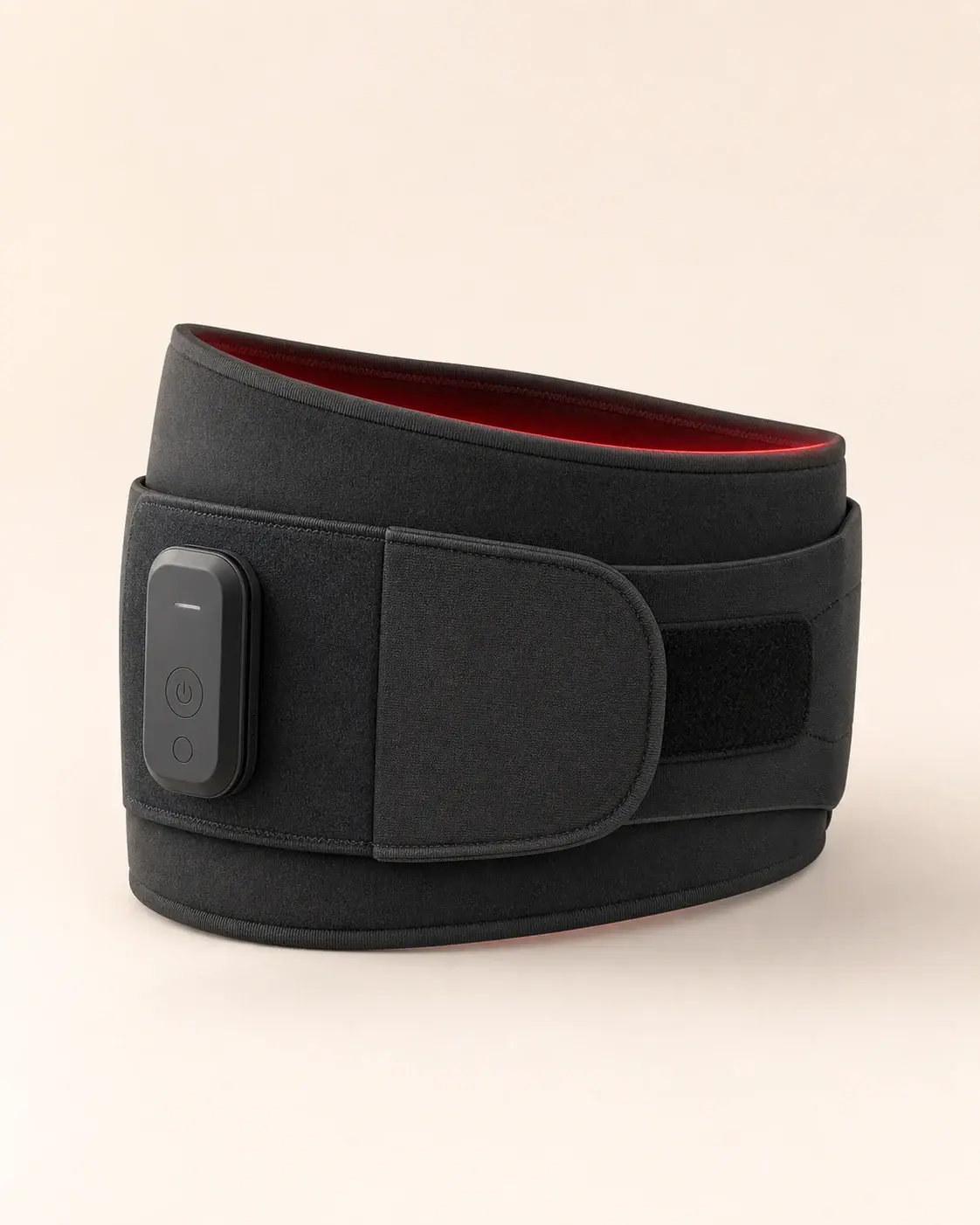
| Wearable | Localized positioning | Close to body | Fit and comfort |
| Compact panel | Flexible home use | Hands-free placement | Distance and angle |
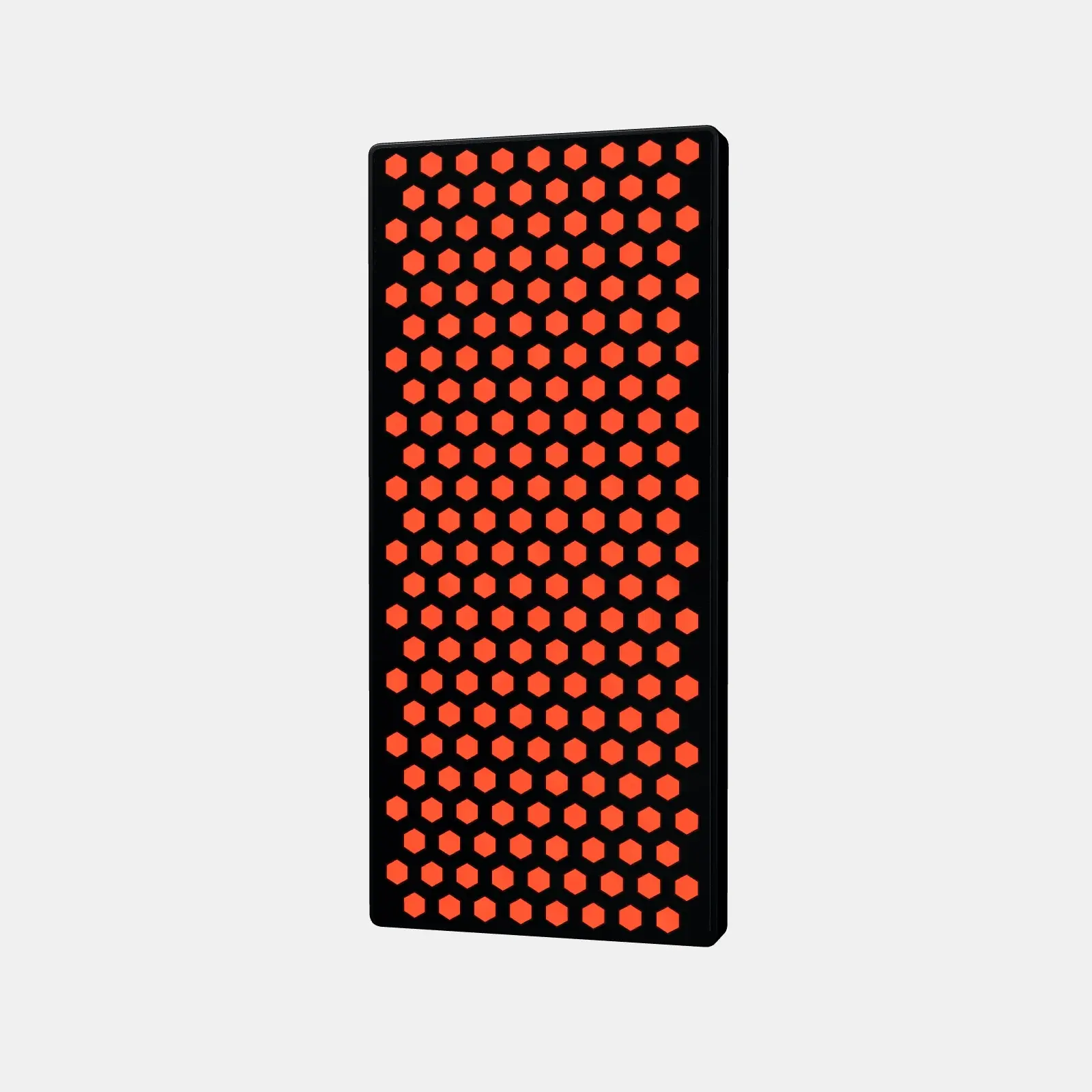
| Larger panel | Broader positioning | More dedicated space | Footprint and mounting |
Common mistakes
Avoid shortcut comparisons.
Comparing wattage as if it were light dose
Using irradiance without distance
Treating one study as proof for every device
Following another product’s session instructions