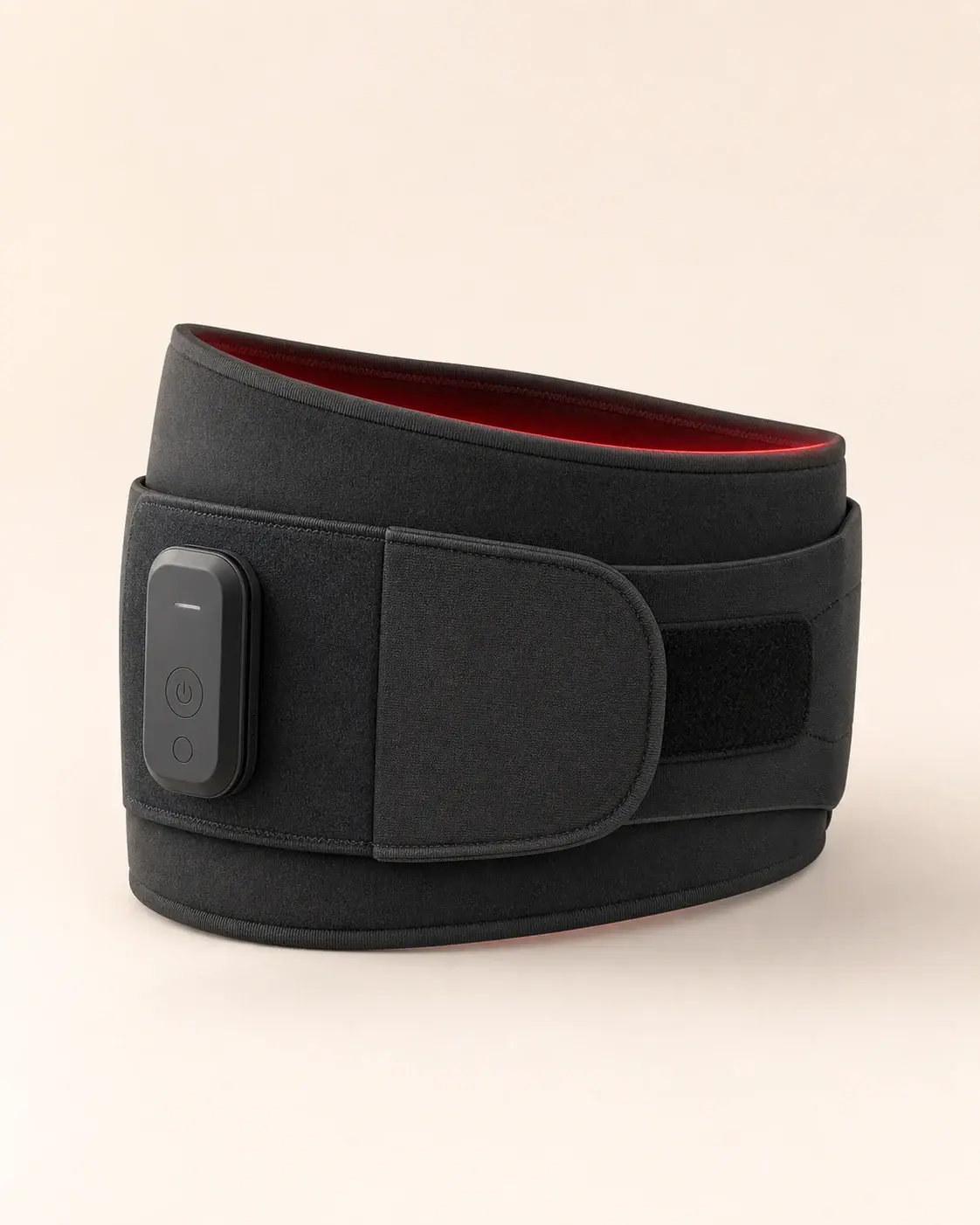
 Wearable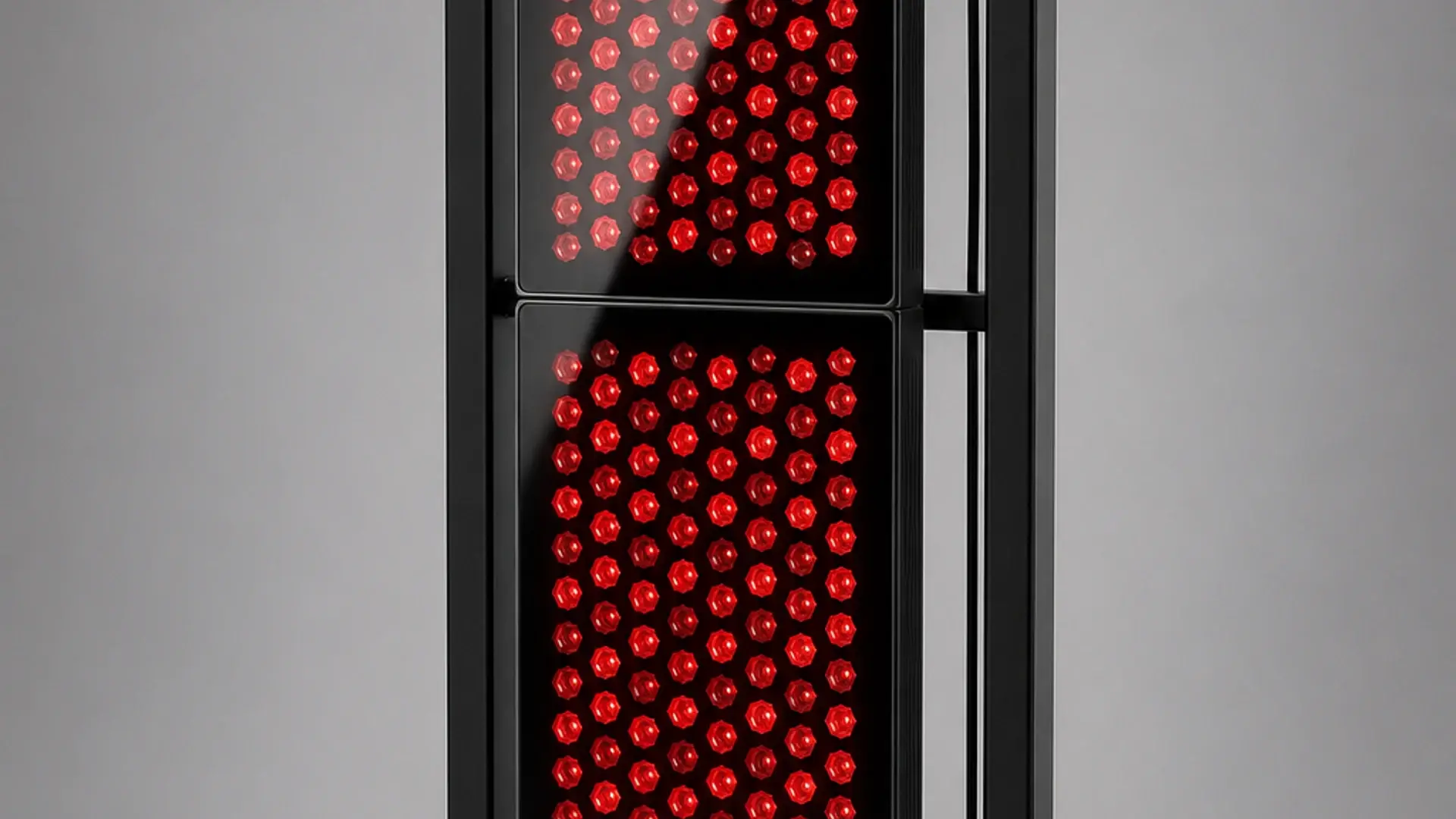
Light, explained clearly
Red & Near-Infrared Light Therapy
Science-first devices designed for simple, repeatable home routines—with verified facts separated from marketing claims.
The collection
A format for every routine.
Start with how you want to use light at home. Choose wearable positioning, a compact panel, or a larger panel—then compare verified specifications.
How light therapy works
Understand the light before the device.
Red and near-infrared wavelengths are studied for their interaction with biological tissue. A responsible device comparison starts with wavelength, then asks how output was measured, at what distance, and across what area.
Read the science guideA better comparison
Evidence before promises.
ALPHALUX product pages identify what is verified, what is a design target, and what still requires testing.
Wavelength clarity
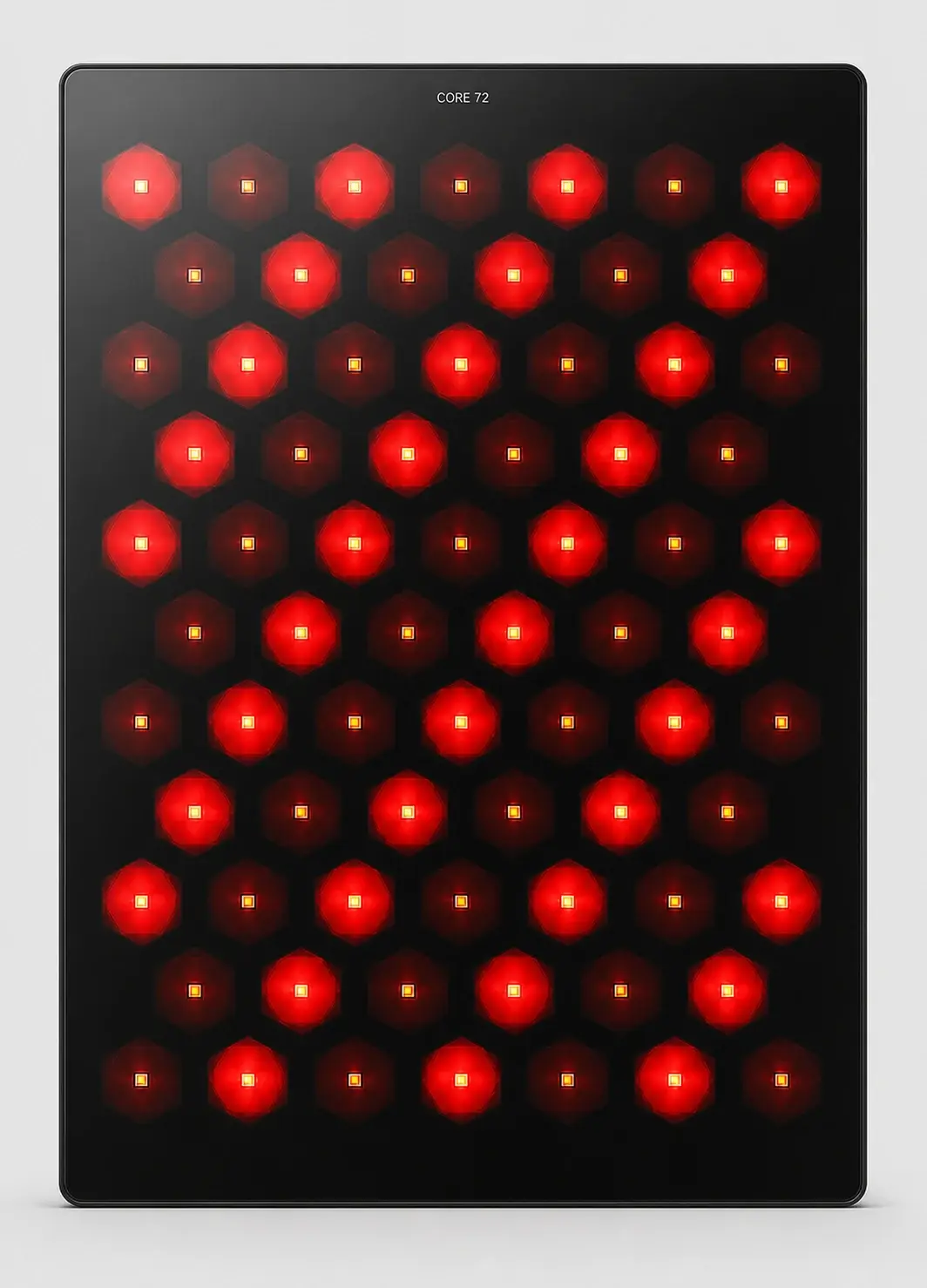
Red and near-infrared values are reported separately. CORE NEO uses a confirmed 660 nm red + 850 nm near-infrared design.
Measured context
Output data belongs with distance and coverage.
Test-led claims
Unknown performance data stays unpublished.
Straightforward support
30-day returns and a two-year limited warranty.
Buyer’s guide
Choose with context.
Match format to routine first. Compare verified measurements second. Ignore impressive numbers that lack a method.
Open the buyer’s guide01
Wearable
For close, localized positioning and minimal setup.
02
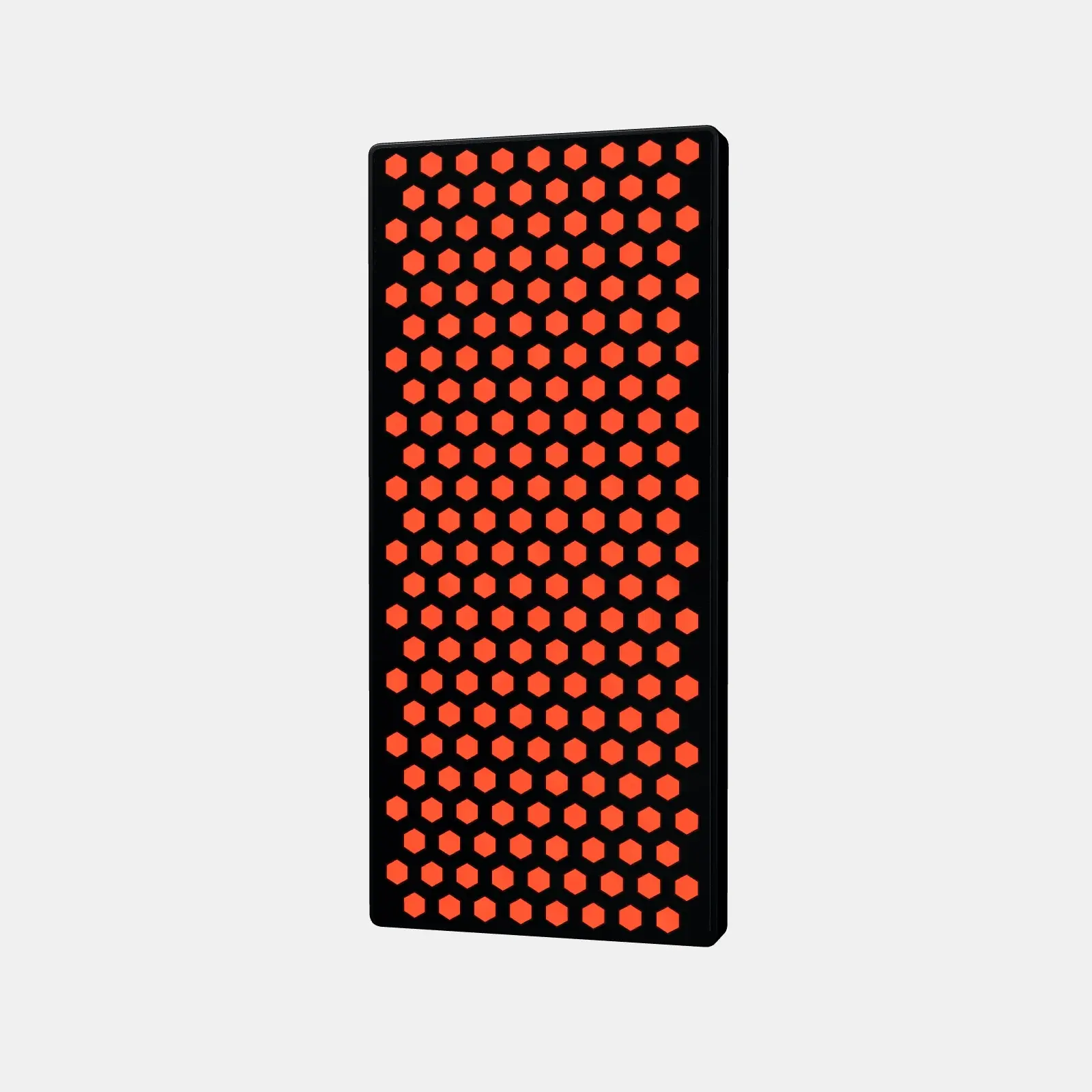
Compact panel
For flexible hands-free use in a smaller footprint.
03
Larger panel
For broader positioning flexibility at home.
Latest science guides
Clear answers, built for useful reading.
How Do Red and Near-Infrared Light Work?
A plain-language guide to wavelengths, measurement, and responsible product evaluation.
Read guideHow Should You Choose a Red Light Therapy Device?
A practical buyer's checklist for wearables, compact panels, and larger panels.
Read guideRed Light Therapy Terms Explained: Wavelength, Irradiance, and Dose
Understand the three measurement terms most often confused in product comparisons.
Read guideCommon questions
Start with the short answer.
What is red light therapy?
Red light therapy uses specific visible-red and near-infrared wavelengths delivered by LEDs. Research studies often investigate how light is absorbed by cells, but consumer devices are not a substitute for medical diagnosis or treatment.
Read the standalone answerWhat do 660 nm and 850 nm mean?
Nanometers describe wavelength. 660 nm is visible red light, while 850 nm is near-infrared and mostly invisible. Device specifications should identify wavelengths separately and distinguish design targets from measured output.
Read the standalone answerHow often should I use a red light device?
Follow the instructions supplied with the specific device. Session time and frequency depend on measured output, distance, and intended routine; ALPHALUX will publish model-specific guidance only after verification.
Read the standalone answerHow far should I stand from a red light panel?
Use the distance stated in the verified device manual. Distance changes irradiance and coverage, so a generic recommendation should not replace model-specific measurements.
Read the standalone answerALPHALUX field notes